

These natural filters in your body operate silently until an imbalance occurs. Certain daily routines, however seemingly innocuous, can unknowingly alter their functioning. What if your usual actions were compromising their health without you even realizing it?
12 Everyday Behaviors That Are Harming Your Kidneys Without You Knowing It:
Insufficient Hydration:
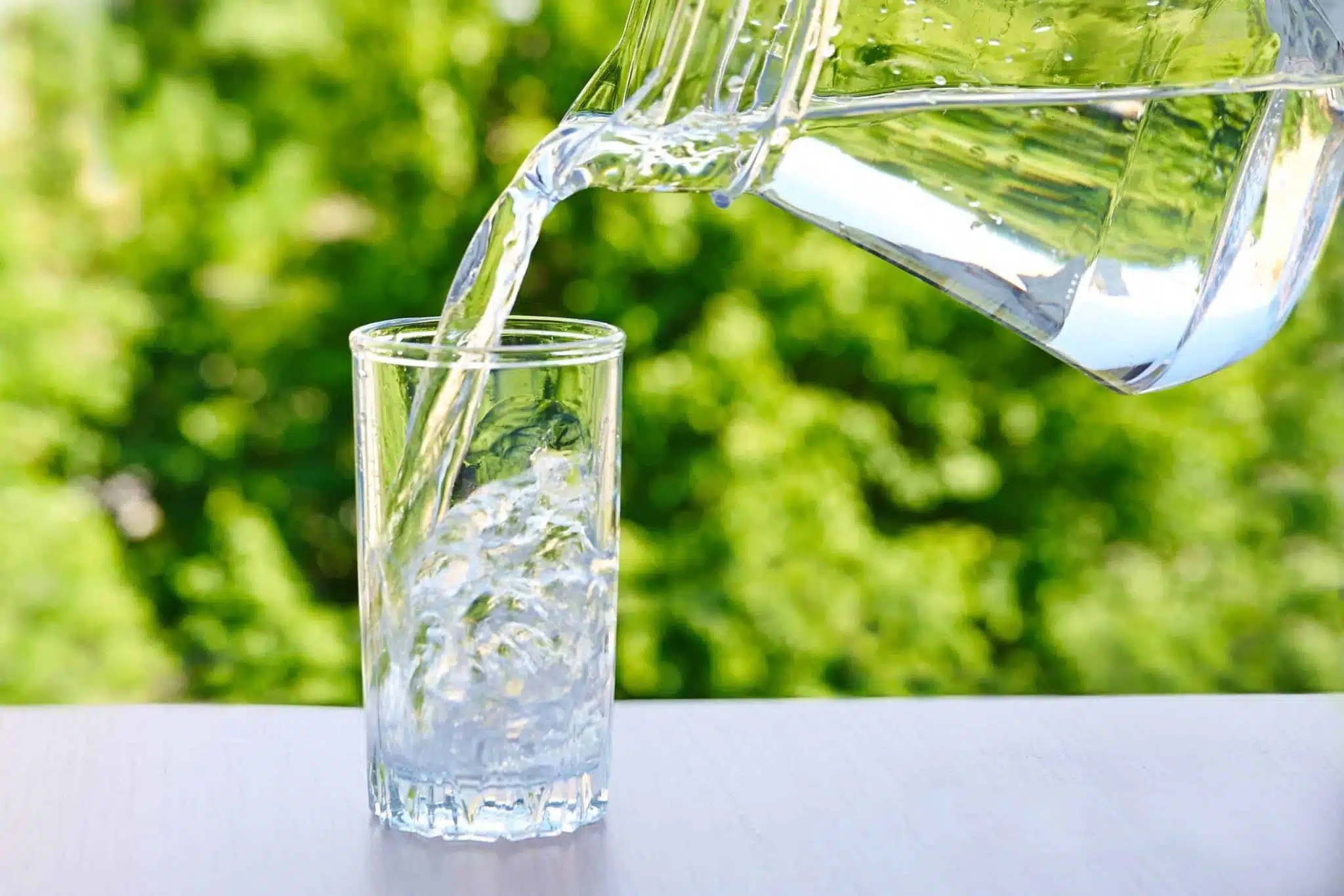
Drinking too little water is a common mistake with serious consequences. When your water intake is low, metabolic waste stagnates, forcing your kidneys to work at full capacity. It’s like trying to wash a car without water: an impossible and exhausting task.
Practical advice : Hydrate yourself with 1.5 to 2 liters of water daily . This need increases during sports activities or in hot weather .
Painkiller Abuse:
A common reflex: swallowing a pill at the slightest discomfort. But nonsteroidal anti-inflammatory drugs (NSAIDs), taken regularly, reduce renal blood flow and can cause permanent damage.
Solution : Limit their use and explore options with your doctor that are less aggressive for your organs.
Excess Sodium in the Diet:
Salty processed foods and snacks pose a little-known danger. Excess salt overloads the kidney’s filtration system, leading to its gradual exhaustion.
Alternative : Opt for natural seasonings like fresh herbs, spices, or citrus juice to enhance your dishes in a healthy way.
Excessive Consumption of Fast Sugars:
Refined sugars contribute to obesity and diabetes, two conditions that are particularly harmful to kidney function. Think of your kidneys like air conditioning filters: saturated with particles, their efficiency quickly declines.
Smart substitution : Choose seasonal fruits or chocolate with a high cocoa content rather than industrial pastries.
Smoking harms all organs, including the kidneys. It reduces their oxygenation, raises blood pressure, and increases the risk of serious illnesses.
Area for improvement : Personalized medical support can significantly improve the situation. Don’t hesitate to talk to your practitioner about it.
Regular Alcohol Consumption:
Excess alcohol dehydrates the body and forces the kidneys to compensate for liver failures, creating an overload of work.
Moderation : Respect the limit of one glass per day for women (two for men) , with days without consumption to allow your body to recover.
Lack of Physical Activity:
A sedentary lifestyle leads to excess weight and high blood pressure, two factors that put abnormal strain on your kidneys.
Simple answer : Moderate activity like 30 minutes of walking daily is enough to maintain your health.
Blood Pressure Neglect:
Poorly controlled blood pressure gradually damages kidney structures, like a garden hose under too much pressure.
Prevention : Check your blood pressure regularly and eat a diet rich in plants and low in sodium .
Excess Animal Protein:
The kidneys must process protein waste. Excessive red meat intake is like asking them to process a disproportionate amount of waste daily.
Balance : Introduce plant-based protein through legumes, soy, or whole grains.
Holding your urine for too long:

Systematically delaying the need to urinate creates harmful pressure on the urinary tract and promotes retrograde infections.
Best practices : Listen to your body signals and take regular bathroom breaks, including at work.
Self-medication with food supplements:
PotatoMilkinstant mashed potatoesPotatoesInstant potatoesCreaminstant potatomilkpotatoesSome natural supplements contain active ingredients that are potentially toxic to the kidneys. The “natural” label does not guarantee safety.
Precautionary principle : Always consult a healthcare professional before starting any treatment.
Lack of Regular Renal Monitoring:
Kidney disease often progresses silently until it reaches an advanced stage. Early detection makes all the difference.
Vigilance : After the age of 40 or in the event of a history of kidney disease, an annual check-up is necessary to preserve your renal capital.
Take Care of Your Kidneys Today:
These two vital bean-shaped organs play a key role in your internal balance. A few simple lifestyle adjustments can preserve their long-term functionality. Prevention remains your best ally for maintaining optimal kidney health and avoiding future complications.


.jpg)


0 comments:
Post a Comment